For many new or prospective EV owners, there are many concerns to be bothered about. Perhaps they are wondering how long it takes to charge or how much it costs to install an EV charger. Right?
We receive such queries frequently from our clients. And what inspires us to come up with this blog is this question: “Do all electric cars use the same charger?”
Well, it is totally normal to feel this way. If you’re used to gas stations, you know that almost every pump fits every car. However, switching to EVs is like learning a new language. Not all electric cars use the same charger. It is a little more like a cell phone. Just as iPhones and Androids usually have different plugs, different EVs generally come with different ports.
The Short Answer: Not Quite, But It’s Getting Simpler
So, not all EVs use the exact same plug. The good thing is that you can expect the one in the future as the industry is quite dynamic. A universal standard for EV plugs is in process.
Think of it this way: there are different “levels” of charging (speed) and different “shapes” of plugs (connectors). Luckily, most cars come with adapters, and most charging stations are designed to be as user-friendly as possible. Here we would like to use the analogy of a cell phone again. Apple has adopted the industry-standard USB-C port for charging and data transfer, which aligns with most modern Android phones and other electronics like tablets and laptops. Likewise, the EV world is looking to use a single standard.
For example, Tesla’s NACS plug has been accepted by Ford, GM, and Rivian for models.
Understanding the Different Plugs
In North America, there are currently two main “standards” when it comes to the shape of the plug.
- The J1772 (The Standard Plug)
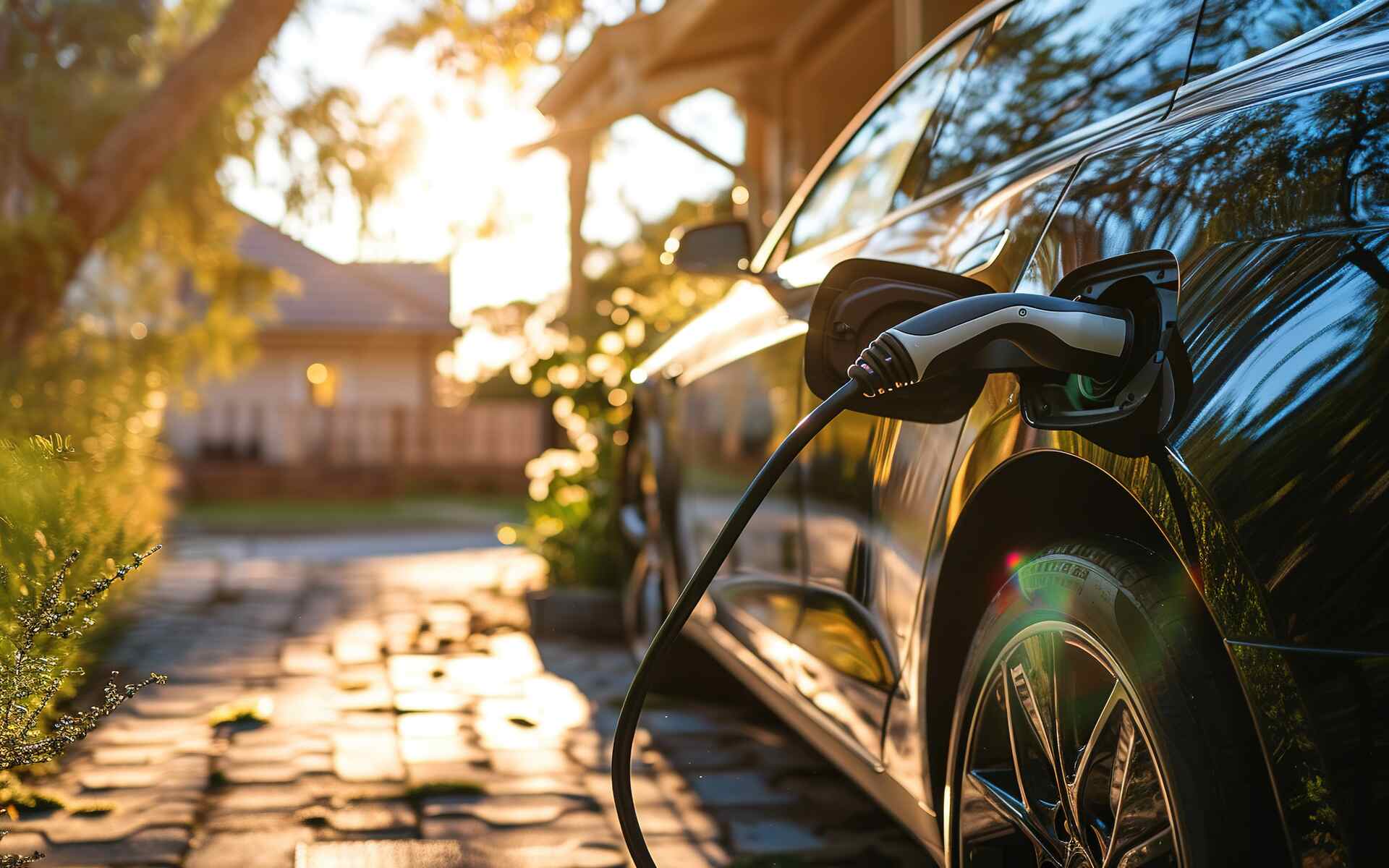
This plug has been used by every non-Tesla EV in America for a long time for Level 1 and Level 2 charging. EV models like a Chevy, Hyundai, or Ford generally come with this round port plug.
- The NACS (The Tesla Plug)
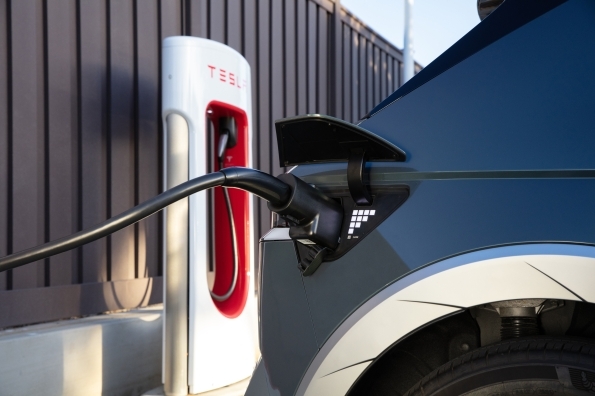
Tesla created their own slim, elegant connector known as the NACS. For years, only Teslas could use Tesla chargers. However, a huge shift is happening right now: almost every major car maker (Ford, GM, Rivian, etc.) has agreed to switch to the Tesla-style plug over the next few years because Tesla’s charging network is so reliable.
- The CCS (The Fast Charger)
The CCS plug is used for fast charging (Level 3) for many non-Tesla cars. It looks identical to the standard J1772 plug. However, it comes with two extra-large pins at the bottom for extra power.
What About Public Charging?
When you’re on a road trip, you’ll pull up to a public station. These stations usually have the cables attached (just like a gas pump).
- If you drive a Tesla, you can use the vast “Supercharger” network.
- If you drive another brand, you look for “CCS” stations.
- The Bridge: If you have a Tesla and want to use a non-Tesla station, or vice versa, you can usually buy an adapter. An adapter is a small plastic device that acts as a bridge between your car’s port and the station’s plug. It’s a must-have tool for any EV owner’s trunk.
Will It Ever Be One Single Plug?
Yes! The industry has realized that having different plugs is confusing for drivers. Within the next two to three years, almost every new electric car sold in the U.S. is likely to come with the same plug (the NACS/Tesla style).
Until then, don’t let the different plugs overwhelm you. The majority of modern EVs have built-in navigation systems that will automatically direct you to a charger that is compatible with your car. They even inform you whether the charger is in operation or not, or whether it is in use by another person!
Common Myths About EV Chargers
“I have to buy the charger from the car company.”
False. Just like you don’t have to buy “Ford Brand Gas,” you don’t have to use a Ford charger for a Ford car. Any “electricity” will work, provided that the plug fits (or you have an adapter). Home brands such as Grizzl-E, ChargePoint, and Wallbox are widely used.
“Fast charging will ruin my battery.”
Mostly False. Although charging a battery with “Fast Chargers” (Level 3) for years will result in slightly more wear on a battery than charging at home, the modern EVs include a battery management system (BMS). This is a technology that prevents the battery from becoming too hot or overcharged.
“It’s hard to find a place to plug in.”
False. There are now tens of thousands of public charging stations across the country, and more are being built every day. Plus, remember that your “fuel station” is now located right in your own garage or driveway.
Summary: A Simple Checklist for New Owners
If you are thinking about buying an EV, here is the “Plug Cheat Sheet”:
- Check your car’s port: Is it a Tesla port or a J1772?
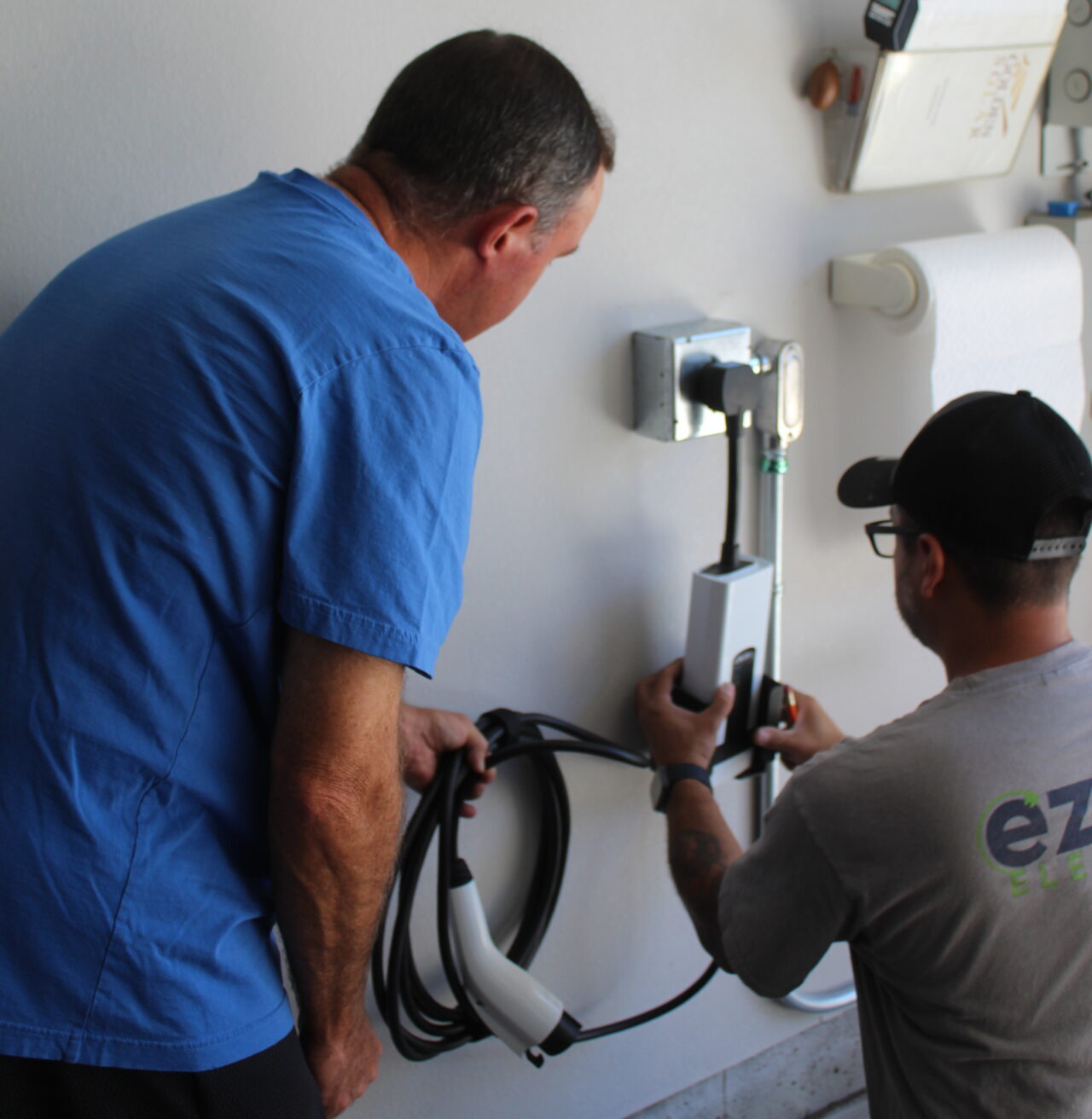
- Plan your home setup: Look for a qualified electrician.
- Grab your rebates: If you’re in the West, look into the Colorado Springs Utilities EV charger rebate or Xcel Colorado EV charging programs to save hundreds of dollars.
- Buy an adapter: Keep a “Tesla-to-J1772” or “CCS-to-Tesla” adapter in your trunk just in case you find a charger that doesn’t match your car perfectly.
Final Thoughts
So you must have understood that not all EVs have the same charger yet. Having said that, the EV world is developing new chargers that can be used for all vehicles, just like using a Type-C for virtually all phones.
EVs are still a learning curve, meaning that it is obvious to wonder about how certain things work in these vehicles. If you want to learn more or choose the best EV charger, reach out to us at EZ EV Electric. We offer comprehensive EV charger installation services across Colorado.